
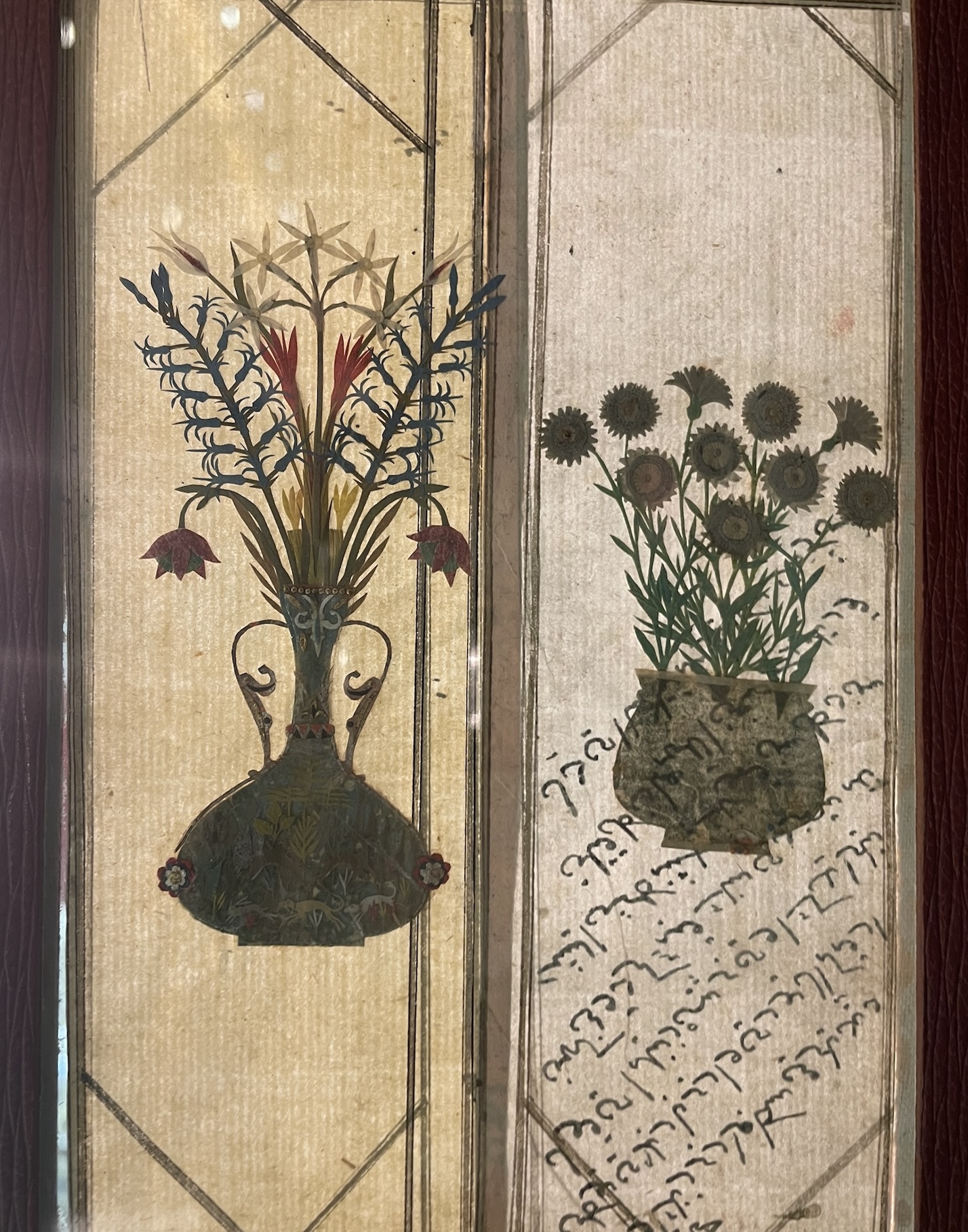
The research continued in London, where Negar once again returned to the British Library—a place that had already become an anchor point for her. Her visit turned into an unexpectedly rich and deeply enjoyable experience. As someone who regularly works with Ottoman and Turkish materials across different collections, she arrived with a sense of familiarity. Yet the British Library offered her something both grounding and refreshingly new.
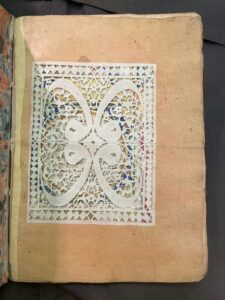
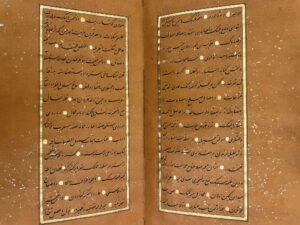
Settling into the Asian and African Studies Research Room, Negar immediately appreciated the direct access to a remarkably wide range of primary sources. One of the highlights of her visit was leafing through the historic printed catalogues, some dating back more than a century. These volumes revealed not only how the manuscripts had been classified over time, but also how earlier scholars—librarians, Orientalists, collectors—described and understood the very materials she now studies. This encounter with the intellectual genealogy of manuscript cataloguing added a valuable layer of historical depth to her work.
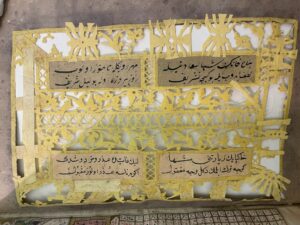
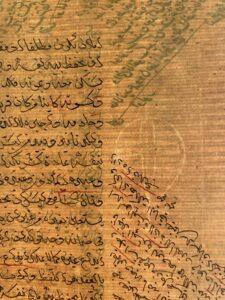
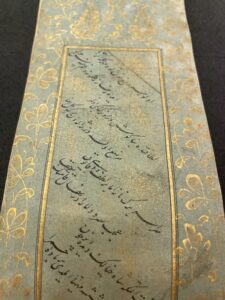
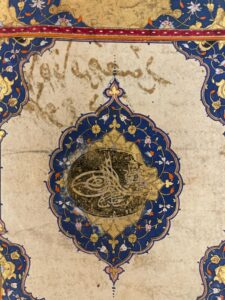
Her days were filled with examining an array of compelling manuscripts. Among the many items she consulted, several stood out: a beautifully prepared Hüsrev ü Şirin, a number of Mecmuas, and various Ottoman Turkish divans adorned with vibrant papers and subtle decorative techniques. Handling these objects allowed her to observe details impossible to capture in digital reproductions—the weight and texture of the folios, the delicate shifts in pigment, the sheen of polished paper, and the nuanced craftsmanship that defined Ottoman book arts. Each manuscript revealed its own visual rhythm, its own material story.
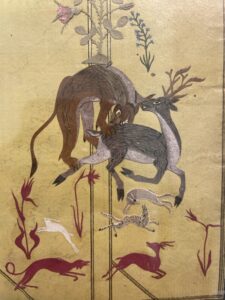
Negar also found herself inspired by the environment itself. The paintings displayed on the walls of the reading room offered gentle companionship as she worked, enriching the space with colour and a sense of artistic continuity. Just as valuable was the ready access to multilingual catalogues—including those in Persian and Turkish—which expanded the possibilities of cross-referencing and deepened her understanding of the manuscripts before her.
By the end of her stay, Negar realised that this combination—rich materials, an aesthetically engaging workspace, and a wealth of scholarly tools—had made her visit far more than a routine research trip. It was a moment of renewed curiosity and connection with her field. As she left the British Library, she was already looking forward to her next visit, eager for the discoveries and insights that surely await.