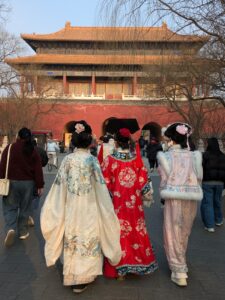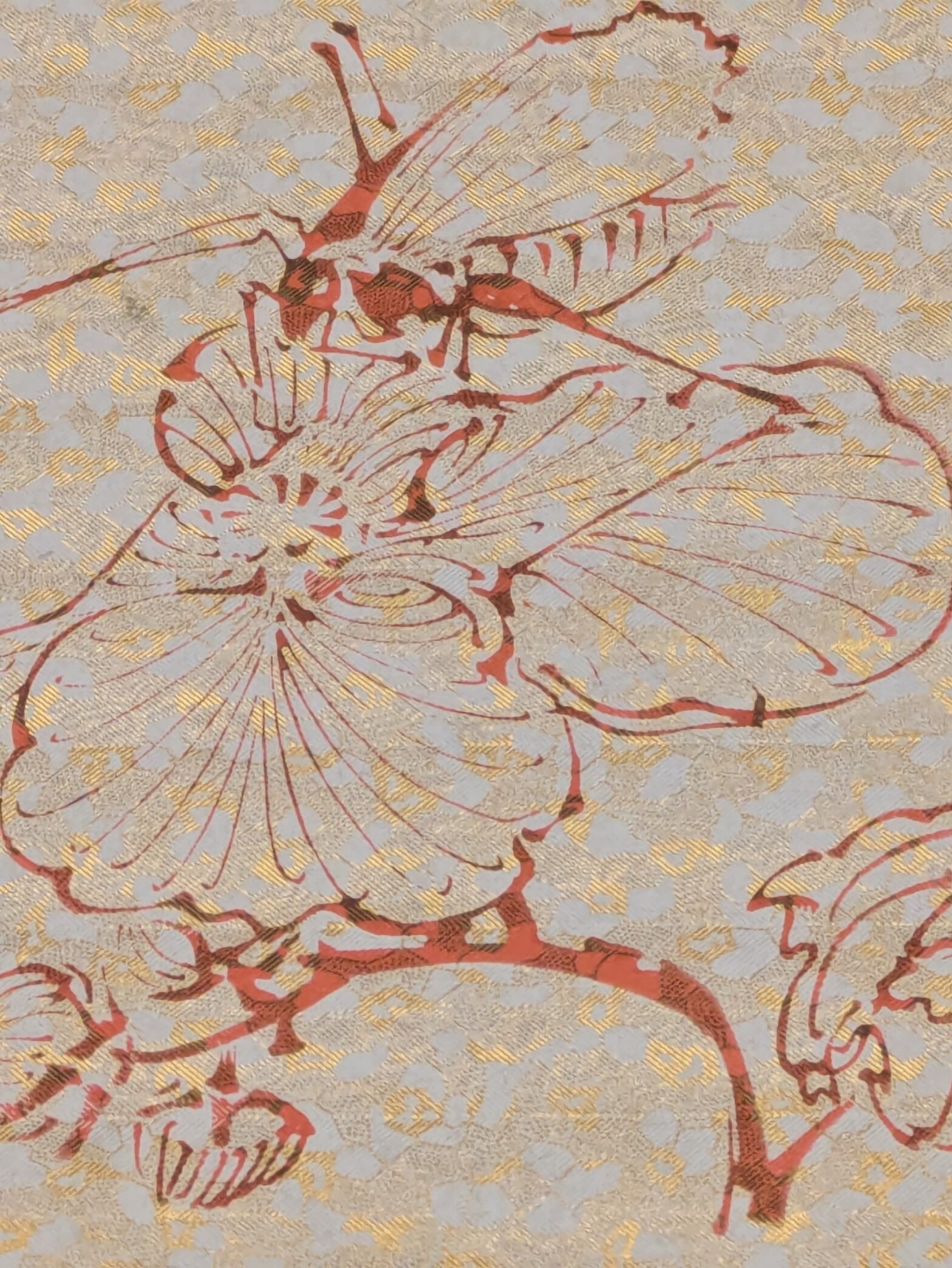
In Early March, Yih-chuen was in Beijing for research. One of the numerous highlights of her visit was a temporary exhibition on the Chinese decorated paper at the Beijing Fine Art Academy Gallery. The exhibition featured a variety of modern and contemporary objects, including gold ink-painted examples made for the famed 18th-century Qing dynasty Qianlong emperor, who attempted to revive the lost medieval decorated papers of previous dynasties recorded in primary sources.
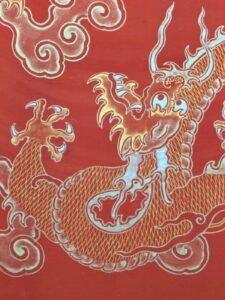
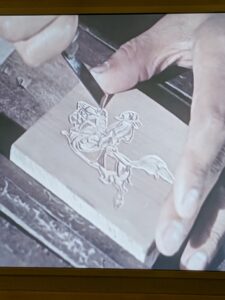
One section of the exhibition explained the woodblock print technique which was commonly used to decorate Chinese paper. A short video showed step-by-step how several woodblock panels were carved and chiseled by masters, then stamped one after another to assemble the intended design. In a display case, the woodblock parts of a mirrored cabbage image were on view.
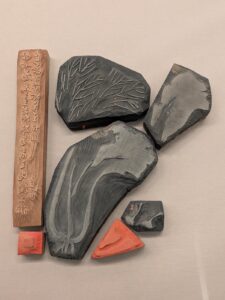
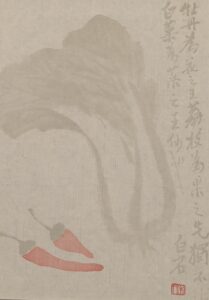
Right next to the woodblock stamps on display was the original painting created by Qi Baishi (齊白石), a renowned Republic era artist (Image 5). This painting served as the inspiration for the printed design on the final product 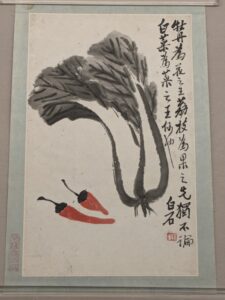
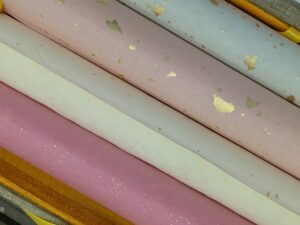
Yih-chuen also navigated old-fashioned art supply shops in Beijing that specialize in the trade of traditional papers. Gilt and printed decorations continue to be among the most popular varieties of decorated papers in present-day China. Some of the art supply shop owners have direct access to paper-making workshops in other parts of China to cater certain needs of the clientele. It was uplifting to learn that a robust community of traditional Chinese art enthusiasts in Beijing and beyond vigorously supports the continuation of this treasured art form.

Installed with refreshing perspectives and first-hand data, Yih-chuen left Beijing with immense gratitude for the hospitality and generosity of its people, and what the metropolis had offered in support of her research in the GLOBAL DECO PAPER project.