
A Study Trip to Istanbul: Manuscripts, Paper, and Encounters Across Time
While Yih-chuen is spending time in China, Negar and Theresa set off from London to Istanbul for a joint study trip devoted to decorated paper, manuscript culture, and material practices across the Islamic world.
Day 1: The Sakıp Sabancı Museum
Their first day led them to the Sakıp Sabancı Museum (Sakıp Sabancı Müzesi), beautifully situated along the Bosphorus and home to an extraordinary collection of manuscripts and albums (muraqqaʿāt). Among the highlights were numerous examples featuring elaborately marbled frames, alongside a particularly striking album with stencilled margins—an exciting point of comparison for their ongoing research.
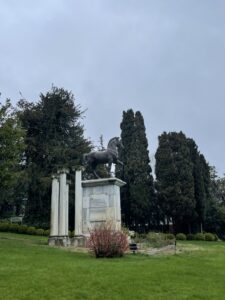
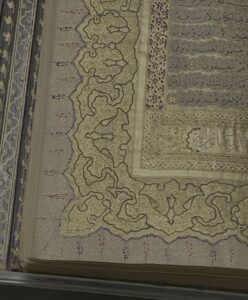
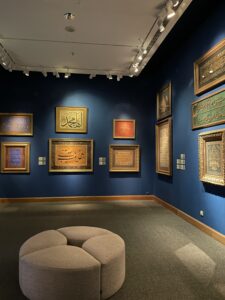
In the exhibition space, a series of informative videos on manuscript production offered valuable insights into traditional techniques, from paper preparation to illumination. Negar and Theresa spent time consulting catalogues before wandering through the richly furnished historic villa itself. Moving through its rooms evoked the atmosphere of another era, where the material and intellectual worlds of Ottoman elites still seem to linger.
Day 2: Süleymaniye Library, Sulṭān Aḥmed, and the Art of ebrū
The following day was dedicated to the Süleymaniye Library (Süleymaniye Kütüphanesi), one of the most important repositories for Islamic manuscripts. After ordering several codices featuring decorated papers, they encountered a particularly fascinating example with silhouetted paper. Not only were watermarks visible, but also a delicately rendered deer in silhouette – an especially meaningful discovery for Negar’s research.
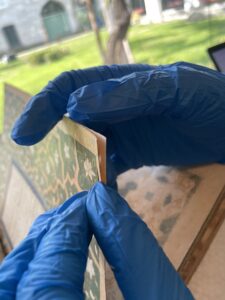
Another remarkable find was a stencilled leather binding, demonstrating that stencil techniques were applied across multiple materials, not only paper. Their final manuscript of the day, an early codex with intricate stencil borders, proved to be a particularly rewarding find.
From there, they took the tram to Sulṭān Aḥmed, crossing the ancient Hippodrome before continuing to the Istanbul Design Center. There, they participated in a marbling (ebrū) workshop led by a contemporary master whose grandfather had been a renowned ebrū artist. They learned how to create hyacinth motifs – particularly fitting just after Nowrūz – as well as experimenting with other techniques. One especially fascinating method involved combining marbling with stencil work to produce hybrid patterns.
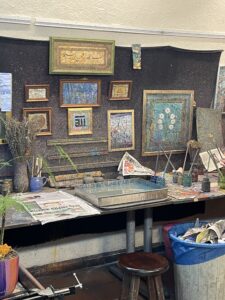
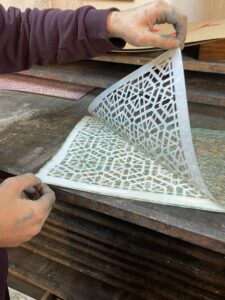
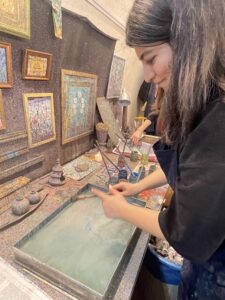
They would like to extend their thanks to the Istanbul Design Center for their generous hospitality.
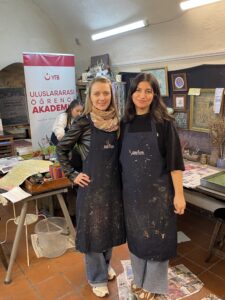
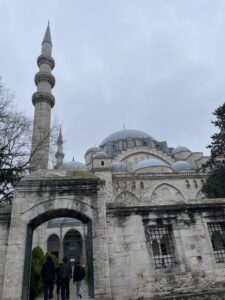
The day concluded with a visit to the Sokullu Mehmet Paşa Mosque, where they searched for Ottoman ornamental patterns that resonate with manuscript decoration. A long walk through Eminönü and along the Golden Horn (Ḥalīç) rounded off the evening.
Day 3: Manuscripts and Conversations
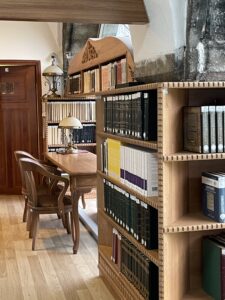
Returning to the Süleymaniye Library, Negar and Theresa met with Meḥmed Çiçek, head of reader services, who showed great interest in their research project and kindly granted them extended access to the manuscripts. They are grateful for his generosity and support.
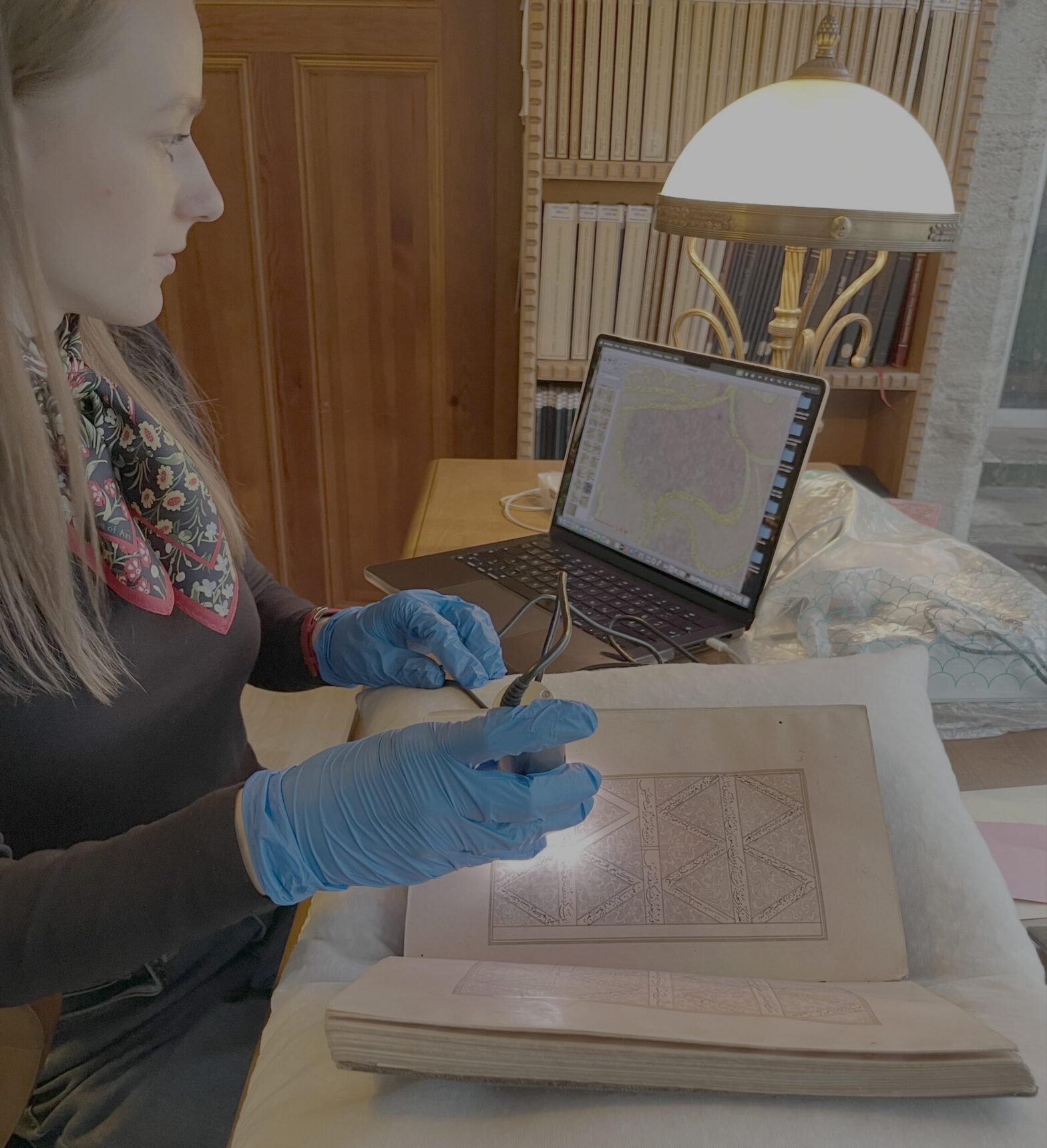
Their work continued with close examination of quires, including the measurement and comparison of stencil patterns. One particularly noteworthy manuscript had once belonged to a vālide sulṭān and featured sprayed stencil decoration in three distinct colours and patterns – a rare and compelling example.
They spent several hours analysing the stratigraphy of the manuscript pages, considering which decorative elements were applied before ruling, which after writing, and how these layers interact materially and visually.
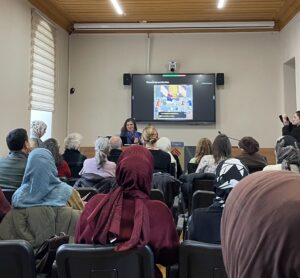
Later, they attended a lecture at the Fatih Sultan Mehmet University campus near Ayasofya by their colleague Jaimee Comstock-Skipp, who spoke on Central Asian manuscript traditions. Particularly stimulating were the connections drawn between manuscripts Theresa had examined the previous week in London and broader questions of illustration, illumination, and stencilled margins. The discussion also addressed shifting patterns of royal patronage, the growing importance of commercial value, and the wide circulation of manuscripts, including into Mughal India.
Day 4: Conservation and kaṭʿī
With the Süleymaniye Library closed for an event, Negar and Theresa met with the project’s affiliated researcher Nil Baydar, with whom they had an engaging and productive discussion about potential future collaborations and workshops. Many thanks to Nil Baydar for taking the time!
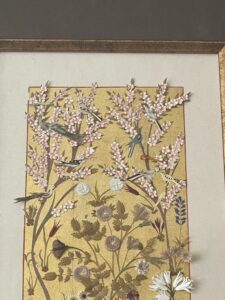
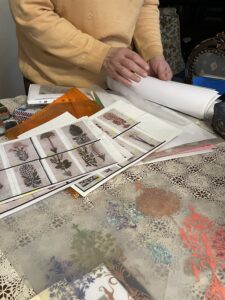
In the afternoon, they visited a kaṭʿī practitioner, focusing on the art of paper cutting. Nimet Renkliyıldız hoca, a Ministry of Culture artist, demonstrated how this intricate technique continues to be practised today, bridging historical craftsmanship with modern artistic expression. They would like to extend their sincere thanks for the generous hospitality.
Day 5-6: Continued Research and Exchange
Back at the Süleymaniye Library, further manuscripts revealed additional stencilled and cut-paper specimens, enriching their growing corpus.
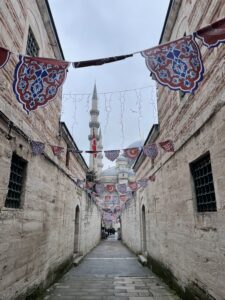
On Thursday afternoon, Negār and Theresa visited Saray Sanat, a traditional book arts studio led by the award-winning Ministry of Culture artist Esma Akoğlu. They had an engaging conversation about her work, discussing paper decoration techniques and established practices.
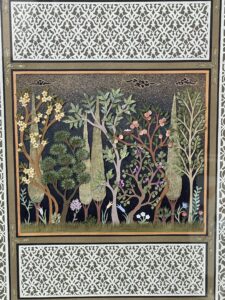
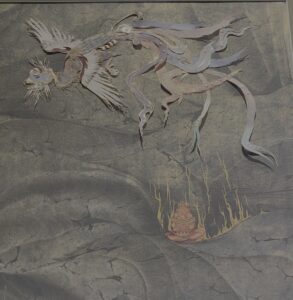
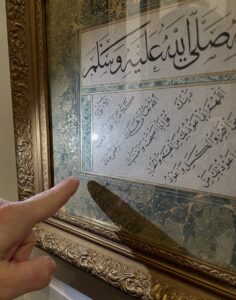
They were subsequently invited to the opening of an exhibition at the Saray Koleksiyonları Müzesi, where students of traditional arts presented works ranging from calligraphy to illumination and marbling. Particularly notable was an accomplished kaṭʿī work by one of Nimet hoca’s students (kaṭʿī by Neşe Karaçam, illustration by Meçhul Meriç). They also met the calligraphy student Mukaddes Çağman, who created the accompanying marbled and gold-sprinkled frame and shared valuable insights into her technique. The evening offered a vivid perspective on the vitality of contemporary engagements with traditional arts.
On Friday, they also spent some time in the ANAMED Library, where they consulted historic Sotheby’s catalogues. These provided yet another perspective on decorated papers as well as interesting comparable examples, offering glimpses into objects that have circulated through the art market.
Final Day: Farewell to Istanbul
On Saturday, Theresa’s final day began with a visit to the Turkish and Islamic Arts Museum before enjoying one last Turkish lunch, accompanied – as always – by Turkish tea. In the afternoon, she departed for the airport.
The trip proved both productive and inspiring. While Theresa returns home for a short Easter interlude, Negar will remain in Istanbul to continue her research.
Stay tuned for what comes next!